

About Venous Diseases
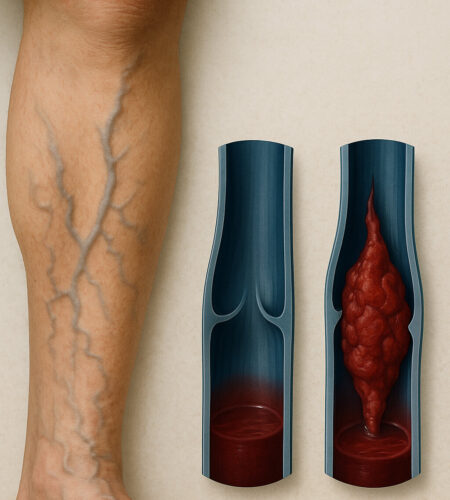
Venous diseases occur when the venous structures, an important part of the circulatory system, fail to perform their functions due to various reasons. This condition is especially evident through blood circulation problems, particularly in the legs. One of the most common venous diseases is known as Deep Vein Thrombosis (DVT).
What Are the Causes of DVT?
Varicose vein disease does not always present solely as an aesthetic problem. Often, it manifests with symptoms such as pain, a feeling of fullness, cramps, swelling, or itching in the legs.
Immobility conditions such as casting after injury or fracture
Major surgical operations requiring prolonged bed rest
Congenital genetic predispositions to blood clotting
What is Deep Vein Thrombosis (DVT)?
Deep vein thrombosis (DVT) is the formation of a blood clot inside the deep veins, causing blockage of the vessel. This clot typically develops in the deep veins of the legs or arms and significantly impedes blood flow. In some cases, these clots can break loose and travel to the lungs, causing life-threatening complications such as pulmonary embolism.
Symptoms and Progression
DVT often presents with noticeable symptoms. The most common complaints are:
Swelling in the affected leg or arm
Redness and localized increase in temperature
Pain or tenderness
However, in some patients, it can develop without any symptoms, which may make diagnosis difficult.
Conventional Treatment Methods
The traditional treatment methods used for DVT for many years include:
Blood thinners (anticoagulants)
Clot-dissolving drugs (thrombolytics)
These treatments generally aim to prevent the clot from growing and to stop new clots from forming. However, in many cases, it is not possible to fully open the blocked vessel or completely dissolve the clot.
Advanced Treatment Method: EKOS (Ultrasound-Assisted Catheter-Directed Thrombolysis)
EKOS, a modern and innovative solution offered by contemporary medicine, provides much more effective results compared to traditional treatments. In this method:
A thin catheter is inserted into the vessel under ultrasound guidance.
Through the catheter, both thrombolytic drugs and ultrasound waves are delivered.
This combination allows the clot to dissolve faster and more completely.
After treatment, the vessel reopens, blood flow returns to normal, and symptoms in the affected limb are significantly relieved.
Quick Contact
About Us
Frequently Asked Questions
Varicose veins, caused by the widening and elongation of veins, create both aesthetic and health problems. Genetic predisposition, prolonged standing, inactivity, excess weight, and aging increase the risk of varicose veins.
Genetic factors cannot be changed, but the risk can be reduced with preventive measures. Regular exercise, walking, swimming, avoiding excessive heat, losing excess weight, and using compression stockings are recommended.
Yes, treatment may be necessary even without symptoms. Varicose veins can lead to serious health issues such as blood clots, vein inflammation, or pulmonary embolism without showing symptoms. Therefore, examination and treatment should not be delayed if needed.
Treatment options include laser therapy, radiofrequency, foam sclerotherapy, and surgery if necessary. The appropriate method is determined by the doctor after examination.
No, on the contrary, appropriate exercises can reduce varicose vein symptoms. Sports like walking, swimming, and cycling are beneficial for vascular health. However, activities that increase intra-abdominal pressure, such as heavy lifting, can worsen varicose veins. Therefore, it is important to choose exercises based on a doctor’s advice.